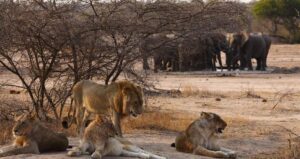
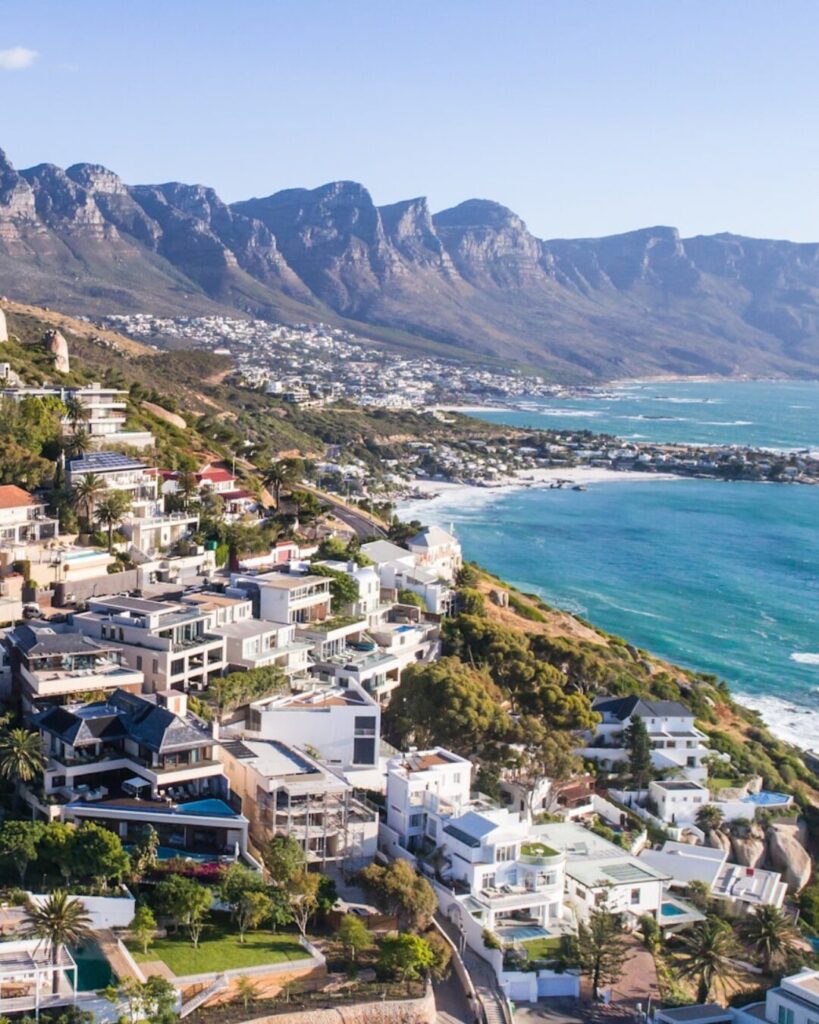
South Africa makes the strongest case for Africa as a first continent: a Big Five safari, Cape Town, and the Winelands, all inside one well-paced trip rather than three separate ones. Kruger sits within five hours of Johannesburg by road, and a private vehicle with an experienced ranger turns that drive into part of the trip rather than a delay before it starts. Lions, elephants, Cape buffalo, leopards, white rhinos, all genuinely visible, not a hopeful itinerary line. Cape Town, at the other end of the trip, ranks among the most architecturally and geographically striking cities anywhere, and the country in between holds the Winelands (Stellenbosch, Franschhoek), the Garden Route (Knysna, Tsitsikamma), and the Drakensberg Mountains.
South Africa also carries a complicated history, and the better guides won't let a client skip past it, nor should they want to. Robben Island, where Nelson Mandela spent 18 of his 27 imprisoned years, deserves a full morning and real attention rather than a rushed ferry crossing squeezed between other stops. The Apartheid Museum in Johannesburg doesn't soften what it documents, and it shouldn't. That history is part of what makes South Africa what it is, and a trip that engages with it honestly ends up richer for it, not heavier.
At a Glance
South Africa covers 471,000 square miles at the southern tip of the African continent. The three main travel hubs each serve a different purpose: Johannesburg is the gateway to Kruger and safari country, Cape Town anchors the Cape Peninsula and the Winelands, and Durban opens onto the KwaZulu-Natal coast and the Drakensberg foothills. Cape Town and Johannesburg sit 900 miles apart, and a private charter or a well-timed scheduled flight makes that distance a non-issue rather than a logistics problem.
The South African rand (ZAR) moves significantly against the dollar, and it's leaned favorable for American travelers in recent years, which puts luxury safari and wine experiences within closer reach, cost-wise, than comparable trips in East Africa or Europe.
Travel Offerings
- Custom Private Travel
- Safari & Wildlife Expeditions
- Cultural & Historical Travel
- Culinary & Wine Experiences
- Coastal & Garden Route Travel
- LGBTQ+ Travel
Travel Guide
- U.S. citizens need a valid passport with at least two blank pages for entry stamps and at least 30 days of validity beyond the trip's end; no visa required for stays up to 90 days.
- Currency is the South African rand (ZAR).
- O.R. Tambo International Airport in Johannesburg (JNB) and Cape Town International (CPT) are the main gateways.
- Driving is on the left, and road infrastructure holds up well across the tourism corridors.
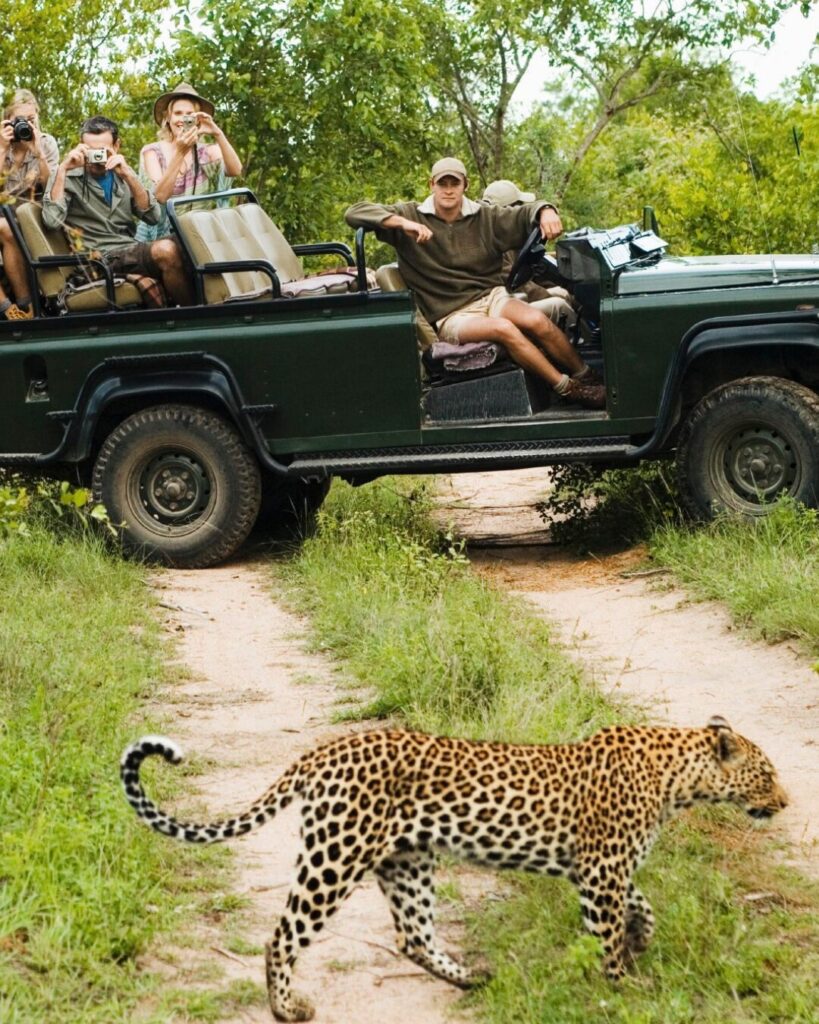
- Self-drive is technically possible in Kruger, roads are paved and the Big Five show up regularly from a standard vehicle, but a private guided game drive from a reserve on the park's western boundary gets you closer, with someone who actually knows where the animals have been that week.
- Kruger National Park: 7,523 square miles, the largest game reserve in South Africa. A private ranger-led game drive from a reserve on the western boundary beats a self-drive for access and insight alike. Dawn drives, departing around 5 a.m., and dusk drives, departing around 3:30 p.m., are when predators are actually moving.
- Table Mountain in Cape Town: the cable car reaches the summit in five minutes, and on a clear day the view stretches 50 miles across the city, the Atlantic, and the Cape Peninsula. The Platteklip Gorge hike, two to three hours up, is a solid alternative for travelers who'd rather earn the view.
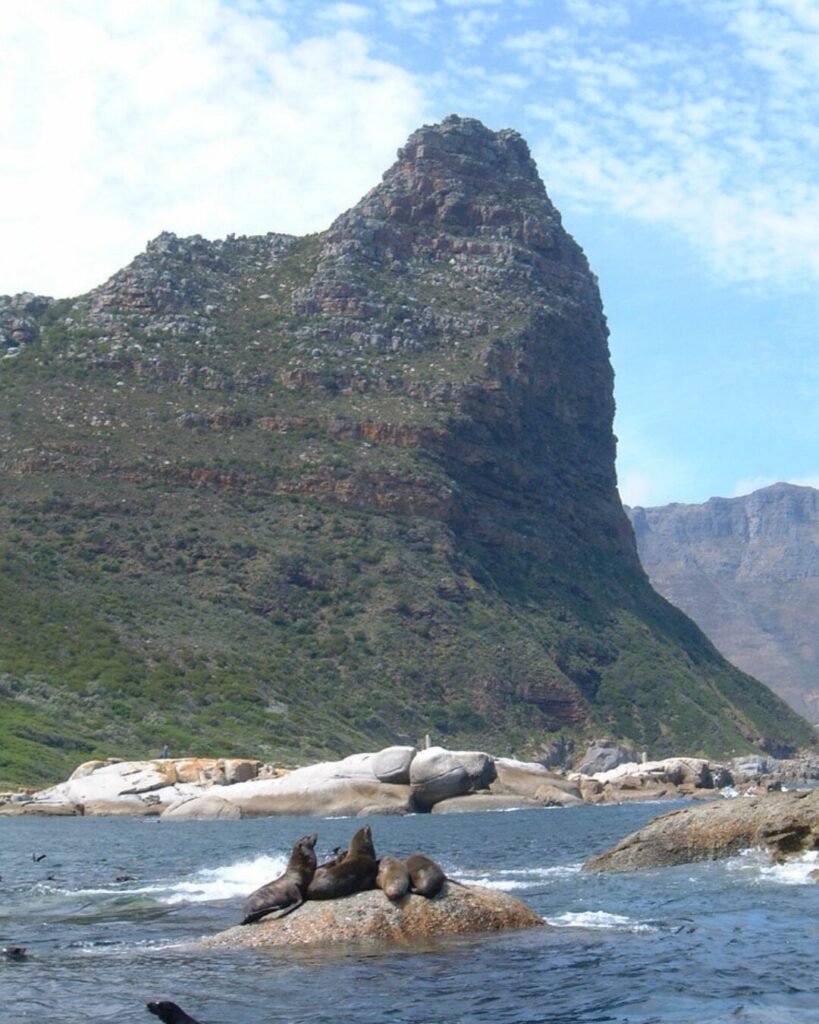
- Cape Point and the Cape of Good Hope: the dramatic cliff at the peninsula's southwestern tip, reached by the Cape Point funicular.
- Seal Island off Hout Bay: a 30-minute boat trip out to a Cape fur seal colony numbering roughly 75,000 animals on a single rock.
- Franschhoek wine valley: the most concentrated fine dining and wine tasting in South Africa, with L'Ormarins and Vrede en Lust worth building a full afternoon around.
- South Africa is constitutionally the most LGBTQ+-inclusive country in Africa and one of the most progressive anywhere. Same-sex marriage became legal in 2006, making it the fifth country in the world to do so.
- The constitution explicitly bars discrimination based on sexual orientation.
- Cape Town has an established LGBTQ+ community and nightlife centered in De Waterkant, with Cape Town Pride every February and the Mother City Queer Project every December among the city's major events.
- Johannesburg's Melville and Maboneng neighborhoods are welcoming as well.
- Rural areas and townships tend to hold more conservative social values, and the gap between urban and rural attitudes is real and worth knowing about going in.
- Dry season (May through September) is prime for safari in Kruger: vegetation thins, game concentrates around water sources, and predator activity peaks.
- June through August brings cooler Kruger nights (45 to 60°F) and warm days (65 to 80°F).
- Cape Town runs on a Mediterranean climate: October through April is a long, warm summer, while May through September turns wet and cooler (55 to 65°F).
- Whale season along the Cape Peninsula runs June through November, with southern right whales calving in Walker Bay.
- A combination trip, Kruger first, then Cape Town, works well year-round, but September is the sweet spot, when Kruger's dry season and Cape Town's pre-summer weather line up.
7-Day Itinerary
Cape Town, Winelands & Kruger
Day 1 — Arrive Cape Town
Overnight flight via London, Amsterdam, or Doha. Land morning. Rest day — brief walk in the V&A Waterfront area. Bo-Kaap neighborhood for the pastel-colored Cape Malay houses and the Bo-Kaap Museum (the history of the Cape Muslim community and its role in Cape Town culture).
Day 2 — Table Mountain & Cape Peninsula
Cable car to Table Mountain summit (book online; opens 8 a.m. weather permitting). Cape Point in the afternoon: the Chapman's Peak drive south from Hout Bay (10-mile cliff road, one of the world's great coastal drives), then Cape Point at the peninsula tip. The Cape of Good Hope boulder penguin colony at Boulders Beach near Simon's Town.
Day 3 — Franschhoek Winelands
One-hour drive east from Cape Town to Franschhoek. The Franschhoek Wine Tram (a heritage tram circuit through the valley with hop-on hop-off winery access) or private estate visits. Franschhoek produces some of South Africa's most serious Cabernet Sauvignon, Chenin Blanc, and MCC sparkling wines. Stellenbosch for the evening.
Day 4 — Robben Island & Cape Town
Morning: Robben Island ferry from the V&A Waterfront (90 minutes each way; book well in advance). The guided tour of the Maximum Security Prison includes narration by former political prisoners. Nelson Mandela's cell. Return afternoon. Afternoon: District Six Museum — the history of the Cape Malay and Coloured community forcibly relocated under Apartheid in the 1970s.
Day 5 — Fly to Kruger / Afternoon Game Drive
Morning flight to Hoedspruit (HDS) or Kruger Mpumalanga (MQP). Private transfer to safari reserve. Afternoon game drive — 3.5 hours, departing 3:30 p.m. Lions are most active in the late afternoon and at dusk.
Day 6 — Kruger Full Day
Dawn drive (5 a.m. departure). Bush walk with armed ranger (most private reserves offer guided morning walks; the experience of tracking on foot is entirely different from the vehicle). Afternoon game drive. Night drive if the reserve offers one — leopards and servals are the nocturnal targets.
Day 7 — Return Johannesburg / Depart
Morning game drive. Transfer to airport. Fly home via Johannesburg (JNB).