
Updated July 2026
South Africa fits a Big Five safari, a coastline with whales and penguins, a wine region that holds its own against Provence, and apartheid-era history told by people who lived it, all inside one 14- to 18-day trip. Kruger and the private reserves handle the wildlife. Cape Town and its peninsula handle the scenery. Robben Island, Soweto, and the Drakensberg cover the ground most itineraries skip.
In This Guide
- How to decide what to prioritize
- The 10 things to do in South Africa
- Best time to visit, by activity
- FAQ
Ten days isn’t enough for South Africa, and most travelers try anyway. This guide covers the ten things to do in South Africa worth rearranging a flight for: safari, coastline, wine, mountains, and the history the rest of the world only reads about. Here’s when each one actually delivers.
How Do You Decide What to Prioritize?
Two questions cut the list down fast. First: is this a wildlife trip or a scenery-and-culture trip? Kruger and the private reserves eat four to five days on their own, and pairing them with a full Cape Town circuit turns a two-week trip into three. Second: what month are you traveling? Safari season peaks from April through October. Whale season in Hermanus runs the other direction, June through December. Nobody optimizes for both perfectly. Pick which season matters more, then build the rest of the itinerary around it.
The 10 Things to Do in South Africa
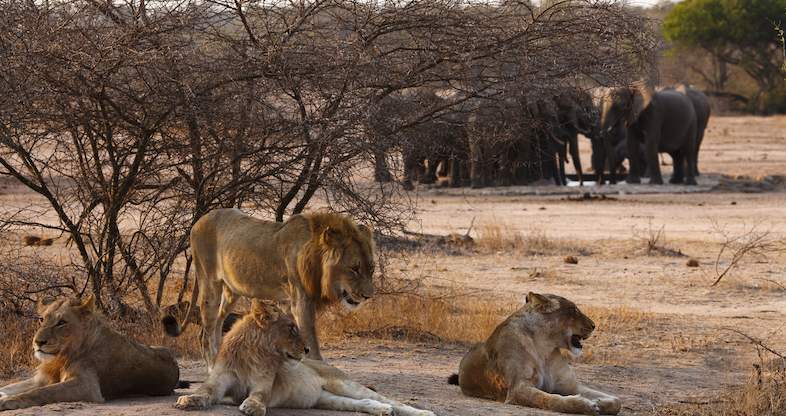
1. See the Big Five in Kruger National Park Kruger is where most South Africa trips start, and for good reason: it’s one of the few parks on earth where lion, leopard, elephant, rhino, and buffalo sightings are a realistic goal rather than a hope. April through May and September through October are the sharpest months. The bush thins out, the rains stop, and animals cluster around the remaining waterholes instead of scattering across a green, overgrown park.
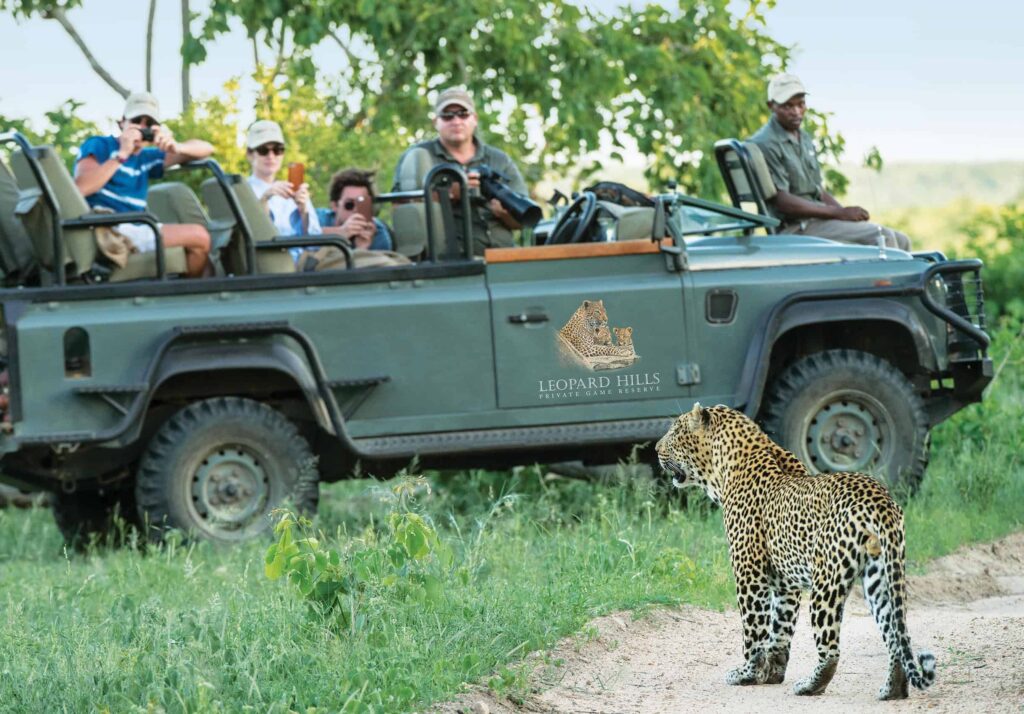
2. Upgrade to a Private Reserve: Sabi Sands or Timbavati Sabi Sands and Timbavati sit right against Kruger’s western boundary with no fences between the properties, so the same animals move freely across both. The difference is access: private reserves allow open-vehicle night drives and off-road tracking, neither of which is permitted in public Kruger. For a higher-end trip, this is the sharper choice: fewer vehicles per sighting, closer range, and guides paid to find the animals instead of just driving a loop.
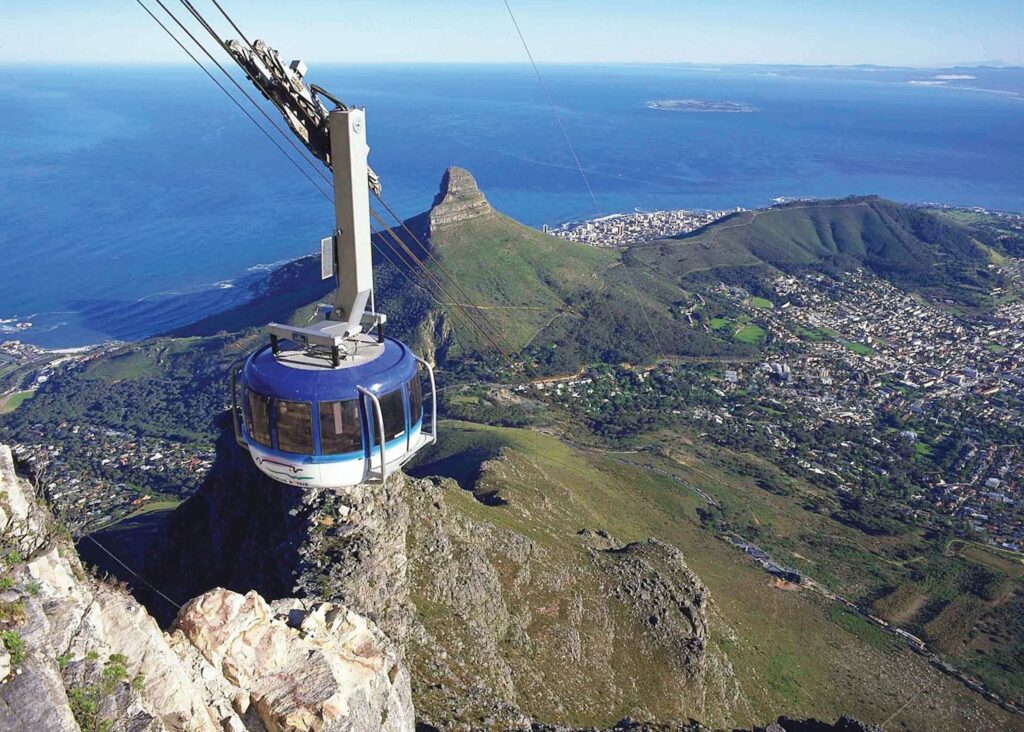
3. Ride the Cable Car (or Hike) Up Table Mountain The cable car rotates 360 degrees on the way up, which sounds like a gimmick until you’re on it, watching Cape Town spin past. Groups who’d rather earn the view take Platteklip Gorge instead: a steep, direct trail with no shade and no technical difficulty, just elevation gain. Check the wind forecast before you plan the day around it. The cable car shuts down in high wind more often than visitors expect.
4. Drive the Cape Peninsula Budget the full day for this one. Chapman’s Peak Drive hugs the cliffside with pull-offs built for photos, Cape of Good Hope marks where the Atlantic and Indian Ocean currents meet, and Boulders Beach near Simon’s Town holds a colony of African penguins you can walk within a few feet of, on a boardwalk built specifically to keep the beach undisturbed.
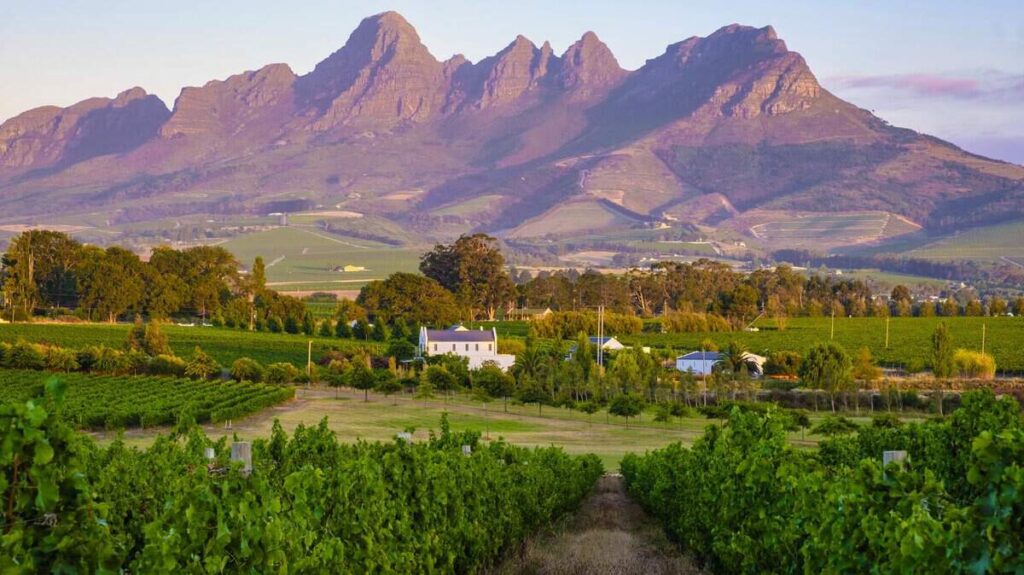
5. Taste Your Way Through Stellenbosch and Franschhoek Skip the generic “wine country” framing. These are two distinct towns with different personalities. Stellenbosch is the older, bigger wine region, dense with estates a short drive from each other. Franschhoek is smaller and food-forward, with a wine tram running between estates so nobody has to designate a driver. Both sit 45 minutes from Cape Town, which makes a day trip realistic even on a tight schedule.
6. Walk Robben Island With Someone Who Was Imprisoned There Robben Island isn’t a museum reenactment. Former political prisoners guide the tours themselves. Nelson Mandela’s actual cell is on the route, along with the limestone quarry where prisoners worked and the isolation blocks used to break resistance. Ferries leave from the V&A Waterfront and sell out days ahead in peak season; book before you land in Cape Town, not after.
7. Learn the Apartheid Story in Soweto and at the Apartheid Museum The museum and Soweto cover the same history from two different angles. The Apartheid Museum in Johannesburg lays out the legal architecture: the classifications and the daily mechanics that enforced them, inside a building designed to disorient visitors on purpose. Soweto puts you on the ground where it happened: Mandela House, where he lived before his arrest, and the Hector Pieterson Memorial, marking the 1976 student uprising that changed the course of the movement.
8. Drive the Garden Route: Knysna to Tsitsikamma The Garden Route rewards a multi-day drive over a single stop. Knysna sits on a lagoon with its own oyster industry and a forest reserve behind it. Tsitsikamma, further along, has suspension bridges over river gorges and some of the best land-based whale watching outside Hermanus. Rush it in a day and you’ll miss most of what makes the detour off the N2 worth it.
9. Hike the Drakensberg and See 2,000-Year-Old San Rock Art The Drakensberg is a different register entirely from the coast and the bush, a UNESCO World Heritage mountain range holding rock art left by the San people going back thousands of years, among the oldest continuous artistic traditions on the continent. Hiking ranges from short valley walks to multi-day treks along the escarpment. Build in at least two nights; the drive in from either coast eats most of a day on its own.
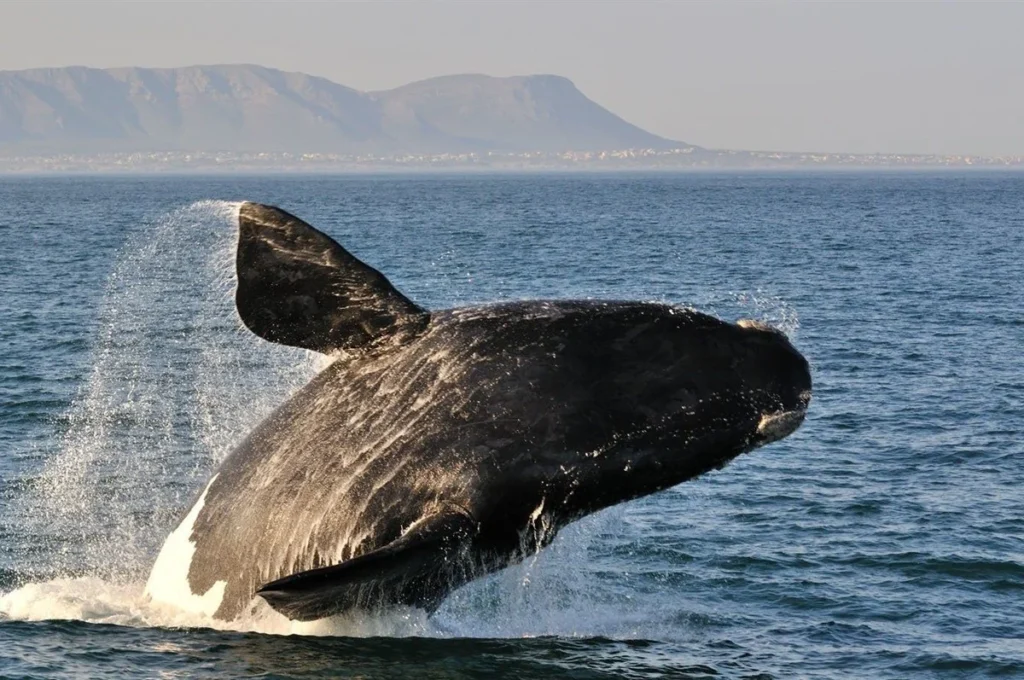
10. Watch Whales From Land in Hermanus, Then Add Sharks in Gansbaai Hermanus claims one of the best land-based whale watching spots on earth, and it isn’t exaggerating. Southern right whales come close enough to shore, from June through December, that a good pair of binoculars is optional. Gansbaai, 45 minutes down the coast, is the other end of the spectrum: shark cage diving, for travelers who want a more adrenaline-heavy version of the same ocean.
Best Time to Visit, by Activity
| Where | Best Months | Why |
|---|---|---|
| Kruger / Sabi Sands / Timbavati | April – May, September – October | Dry season thins the bush; animals cluster at waterholes |
| Hermanus / Gansbaai | June – December | Southern right whales calve close to shore |
| Cape Town & the Peninsula | November – March | Warm, dry, best conditions for hiking and the beaches |
| Garden Route | Year-round | Rain spreads evenly; no sharp off-season |
| Drakensberg | March – May, September – November | Avoids summer thunderstorms and winter snow on the trails |
Ready to Build Your South Africa Itinerary?
FAQ
What is the best time of year to visit South Africa?
April through October covers the best safari conditions in Kruger and the private reserves. If whale watching in Hermanus matters more, aim for June through December. The two seasons overlap from June through October.
Is Kruger National Park or a private reserve better for a first safari?
Kruger wins on budget and flexibility. Private reserves like Sabi Sands win on sighting quality, since they allow night drives and off-road tracking that public Kruger doesn’t permit.
How many days do you need in South Africa to see the highlights?
Fourteen to eighteen days covers safari, Cape Town, and one more region like the Garden Route or Drakensberg without rushing. Ten days works if you pick either safari or Cape Town, not both.
Is it safe to visit Soweto and Robben Island?
Both are established, heavily visited sites with regular guided tours. Soweto is best seen with a local guide rather than independently, which most day tours from Johannesburg already include.
Can you combine a safari with Cape Town in one trip?
Yes. Domestic flights between Johannesburg, the closest hub to Kruger, and Cape Town run under two hours. Most South Africa itineraries are built around exactly this combination.
Recap
- Kruger and the private reserves deliver the wildlife; go April–October for the best sightings
- Cape Town’s peninsula and the Winelands fill a full week on their own
- Robben Island, Soweto, and the Apartheid Museum tell a history most itineraries skip
- The Garden Route and Drakensberg reward travelers with an extra few days to spend
- Hermanus and Gansbaai round out the coast with whales and, if you want it, sharks
About the Author
Justin Brunner, Owner of Breakout Travel and Lead Experience Designer, has 30 years planning custom itineraries for Breakout Travel clients. Through his own travels, he’s visited more than 20 countries and visiting at least two new ones per hear. Justin started Breakout Travel to create better travel experiences for others and enjoys discussing human interconnectedness. He blends his professional background with his passions and expand respect for the planet and each other. You can visit his YouTube page or LinkedIn profile.