
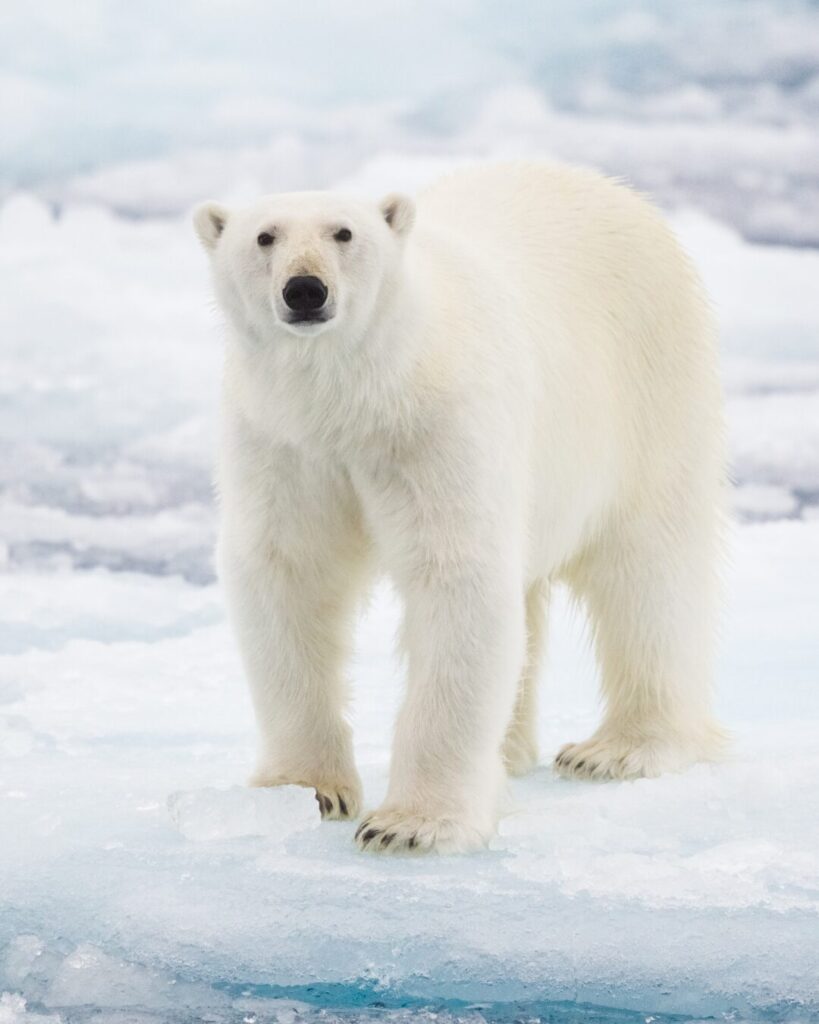
The Arctic and Nordic Circle cover two very different ways of experiencing the far north, and the strongest itineraries treat them as complementary rather than interchangeable. By ship, Svalbard puts you somewhere polar bears genuinely outnumber people, roughly 3,000 bears against a human population of about 2,700, reached aboard an ice-strengthened expedition vessel like Silversea's World Explorer, with Zodiacs working the ice edge where bears hunt seals. By land, Norway, Sweden, and Finland's Lapland regions offer something quieter: the aurora overhead, a night in an ice hotel rebuilt from scratch every winter, and Sami reindeer herders sharing a culture that predates the countries around it.
These are opposite seasons doing opposite things. Svalbard's wildlife season runs through the summer's endless daylight; Lapland's aurora season needs the winter dark to work at all. A client chasing both wants either two separate trips or a longer itinerary built around that seasonal split, not a single week trying to do everything at once.
At a Glance
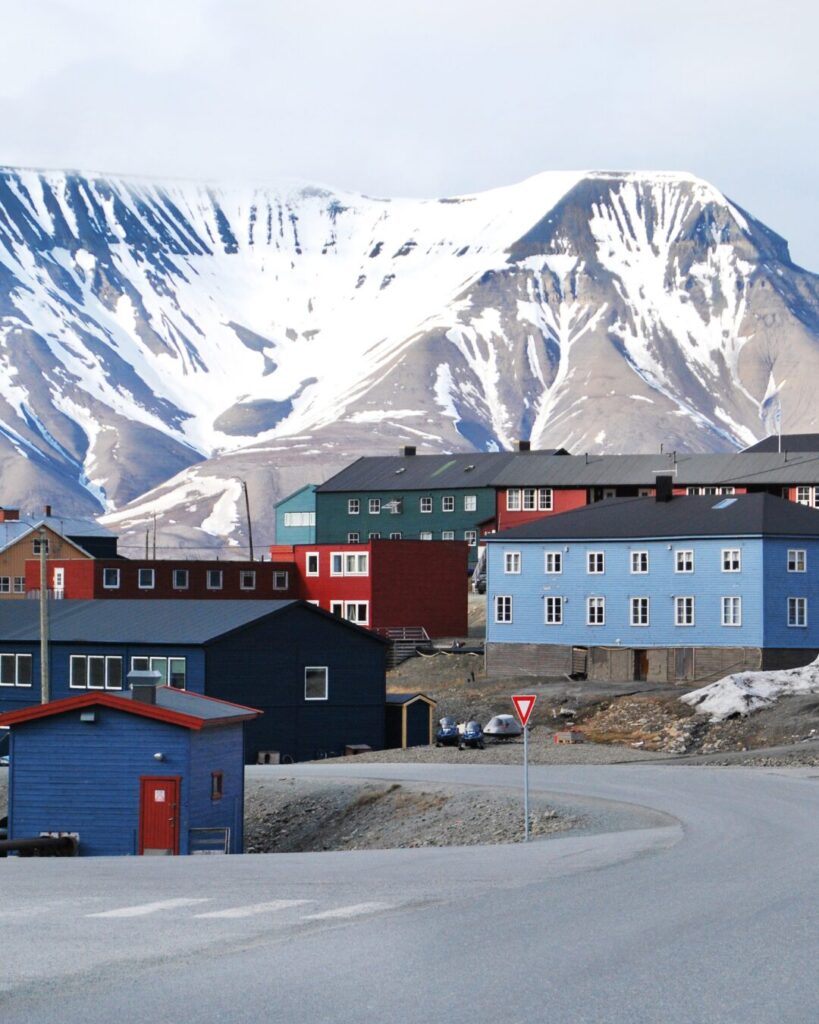
The region spans Svalbard (Norwegian, high Arctic, ship-accessed), Arctic Norway (Tromsø, the Lofoten Islands), Swedish Lapland (Kiruna, Jukkasjärvi), and Finnish Lapland (Rovaniemi, sitting directly on the Arctic Circle line at 66.5°N). Longyearbyen, Svalbard's only real settlement, connects by direct flight from Oslo and Tromsø. Tromsø, Kiruna, and Rovaniemi all take direct flights from their respective capitals, making land-based Lapland genuinely easy to reach despite the latitude.
Travel Offerings
- Silversea Expedition Cruising (Svalbard)
- Northern Lights & Aurora Viewing
- Ice Hotel & Winter Lodge Stays
- Sami Culture & Reindeer Experiences
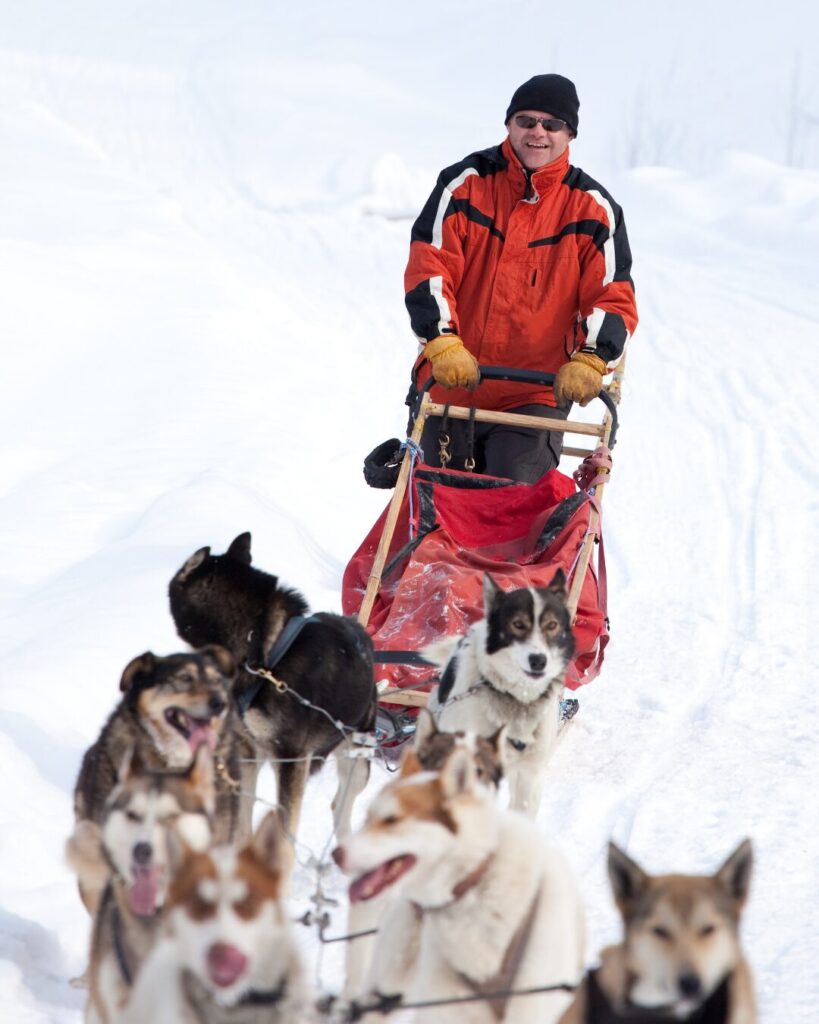
- Dog Sledding & Snowmobile Adventures
- Polar Bear & Wildlife Expeditions
Travel Guide
- Svalbard is visa-free for all nationalities; mainland Norway, Sweden, and Finland require only a valid passport for U.S. citizens (no visa, stays under 90 days).
- Currency varies: NOK in Norway and Svalbard, SEK in Sweden, EUR in Finland.
- Svalbard wilderness travel requires a licensed guide by law; Silversea's expedition structure handles this on board.
- Ice hotel stays, notably the original in Jukkasjärvi, book out roughly a year ahead for peak winter dates.
- Pack in serious layers either way: Svalbard summer runs 32 to 46°F, while Lapland winter regularly drops well below 0°F after dark.
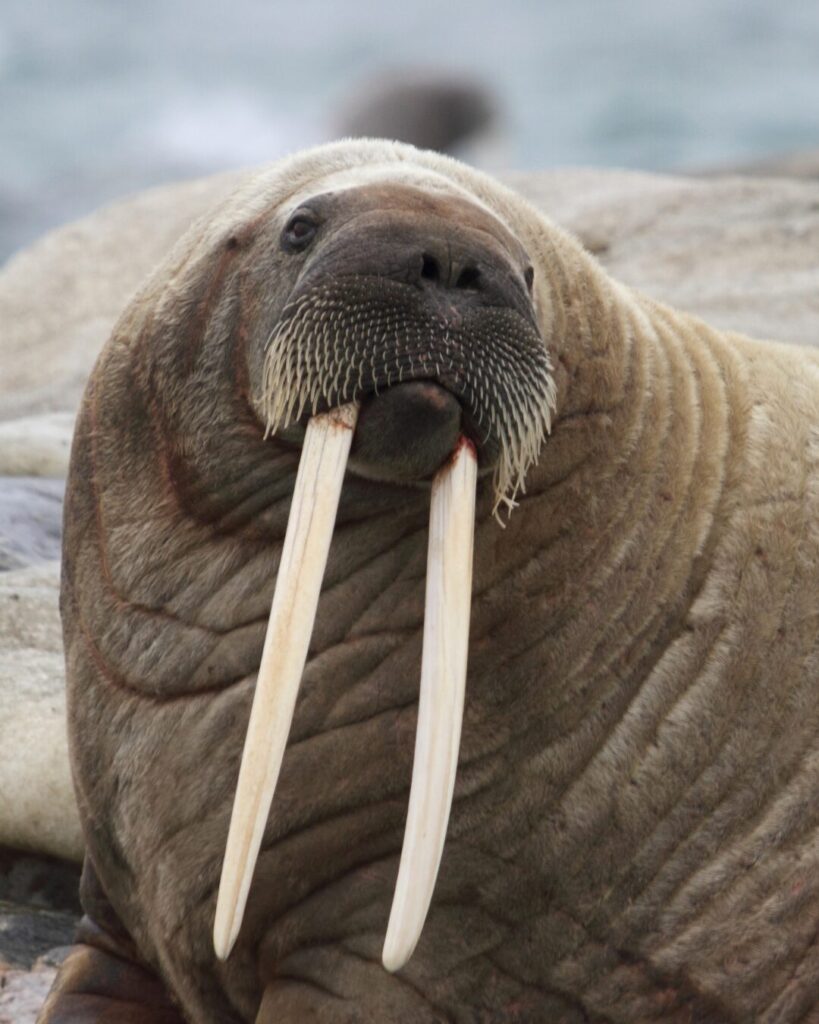
- Zodiac patrols along Svalbard's ice edge for polar bear and walrus sightings, best in the early morning.
- A night at the Icehotel in Jukkasjärvi, Sweden, rebuilt from river ice every winter since 1989.
- Aurora viewing by snowmobile or reindeer sleigh from a Sami-guided camp in Swedish or Finnish Lapland.
- Dog sledding through the forests around Rovaniemi or Kiruna.
- Glacier Zodiac tours in Svalbard's Isfjorden and Kongsfjorden, where tidewater glaciers calve directly into the sea.
- Norway, Sweden, and Finland all rank among the world's most LGBTQ+-inclusive countries, with same-sex marriage long legal in each.
- Svalbard, governed by Norway, carries the same protections despite its remoteness.
- Travelers can expect straightforward, low-friction acceptance across the entire region, urban or remote.
- June through August: peak Svalbard wildlife season, 24-hour midnight sun, maximum sea ice retreat.
- September through March: aurora season across Lapland, with the darkest months, December through February, offering the longest viewing windows.
- Late August into September: a narrow overlap window when Svalbard's darkness returns enough for early aurora sightings before the ship season ends.
10-Day Itinerary
Svalbard Arctic Expedition
Day 1–2 — Oslo
Fly into Oslo (OSL). Two days in Oslo before the Longyearbyen flight — the Viking Ship Museum (three 9th-century longships in near-perfect preservation), the Fram Museum (the world's strongest wooden vessel, used by both Nansen and Amundsen on polar expeditions — the actual ship, which you can board), and the Holmenkollen ski jump for the city view. Oslo is consistently one of the world's best-run cities and rewards the two-day layover.
Day 3 — Fly to Longyearbyen / Board
Morning flight Oslo to Longyearbyen (2.5 hours). Arrive and board the World Explorer in the afternoon. Mandatory polar bear safety briefing and Zodiac orientation before departure.
Day 4–8 — Svalbard Expedition
Five days of expedition operations, routing determined by ice conditions, wildlife intelligence, and weather. Typical program elements: ice edge Zodiac patrols for polar bears (typically 2–4 sightings per expedition), walrus haul-out landing at Prins Karls Forland or Moffen Island, little auk colony cliff visit (hundreds of thousands of birds in a single location), Zodiac glacier tour in Kongsfjorden, onboard science briefings from glaciologists and ornithologists, kayaking in protected fjords if conditions allow, and zodiac cruising among sea ice floes.
Day 9 — Return Longyearbyen
Final morning operations. Disembark and overnight in Longyearbyen. Visit the Svalbard Museum (the history of whaling, trapping, and coal mining on the archipelago — the economic history before research and tourism arrived).
Day 10 — Depart
Morning flight to Oslo. Connect home.
Travel Insights
Sorry, we couldn't find any posts. Please try a different search.