
Egypt luxury travel delivers monuments at a scale photographs simply don't prepare you for. Stand at the base of the Great Pyramid, 481 feet tall, built from 2.3 million stone blocks over twenty years by a workforce of 20,000, and you'll understand why every traveler who's stood there says some version of the same thing. Karnak works differently: a 60-acre temple complex at Luxor that took 2,000 years to build and still hasn't been fully excavated, its scale only really landing once you're standing inside the Hypostyle Hall rather than looking at a photo of it. The Valley of the Kings works on you slowest of all, sixty-five tombs cut into limestone above Luxor, painted walls and ceiling art inside commissioned by pharaohs who built for eternity, not for a visit.
None of this is simply 'impressive'. It's impressive in a way almost nothing else is, because what was built, who built it, and when, are facts that take real time to process rather than just observe. That's exactly why a well-designed Egypt itinerary moves slowly and leans on private access: sunrise at Giza before the tour buses arrive, an Egyptologist walking you through Karnak instead of a placard, a private boat instead of a group coach for the stretch between Luxor and Aswan. The monuments don't need embellishing. They need someone making sure you're standing in front of them at the right hour, with the right person explaining what you're looking at.
At a Glance
Egypt sits at the northeastern corner of Africa, bridging the Arab world and the African continent. The Nile, the world's longest river, runs the length of the country from south to north, and 95% of the population lives within a few miles of its banks. The monuments follow that same corridor: Cairo and Giza in the north, the Middle Egypt sites next, Luxor (ancient Thebes) further south, and Abu Simbel right at the Sudanese border.
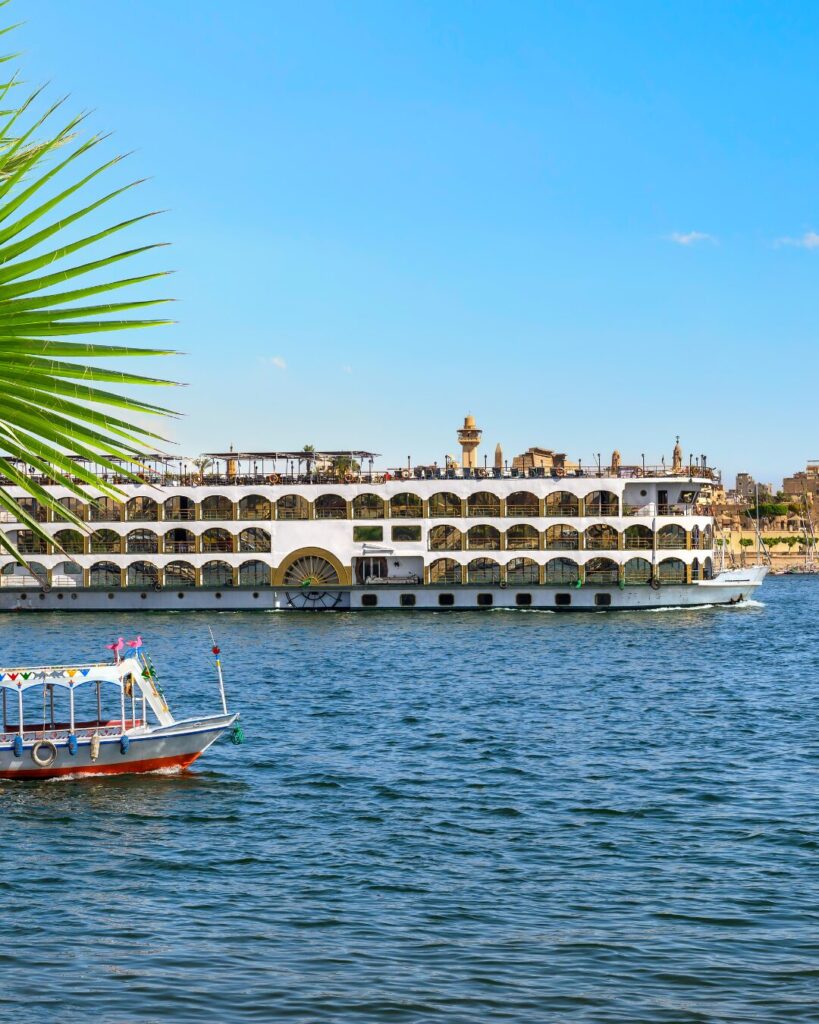
A private Nile cruise, ideally a small, intimate vessel rather than a large multi-deck ship, remains the most logical way to see the Upper Egypt sites, sailing the 125 miles between Luxor and Aswan with stops at Kom Ombo, Edfu, and Esna along the way. Cairo needs its own two to three days on either end, with a private guide and driver rather than a group itinerary.
Travel Offerings
- Custom Private Travel
- Cultural & Heritage Travel
- Nile Cruising
- Archaeological Expeditions
- Small Group Travel
Travel Guide
- U.S. citizens need a valid passport and a visa, obtainable on arrival at Cairo International Airport ($25 USD) or in advance through the e-visa portal, worth doing ahead so arrival isn't spent standing in a visa line.
- Currency is the Egyptian pound (EGP).
- Cairo International Airport (CAI) and Luxor International Airport (LXR) are the main gateways.
- A private Egyptologist guide is essential at every site, not optional. The history here doesn't fully land without someone translating what you're actually looking at.
- Haggling is standard in markets, expected even, and only takes basic confidence rather than aggression.
- Modest dress is expected at religious sites and in non-tourist areas; women should carry a scarf.
- Tap water isn't safe to drink; bottled water is standard, including at hotels.
- The Pyramids at Giza: enter the Great Pyramid if claustrophobia isn't a factor. The ascending passage to the King's Chamber is genuinely extraordinary. A private sunrise visit, 6 a.m. entry, means the best light and empty grounds before the buses show up.
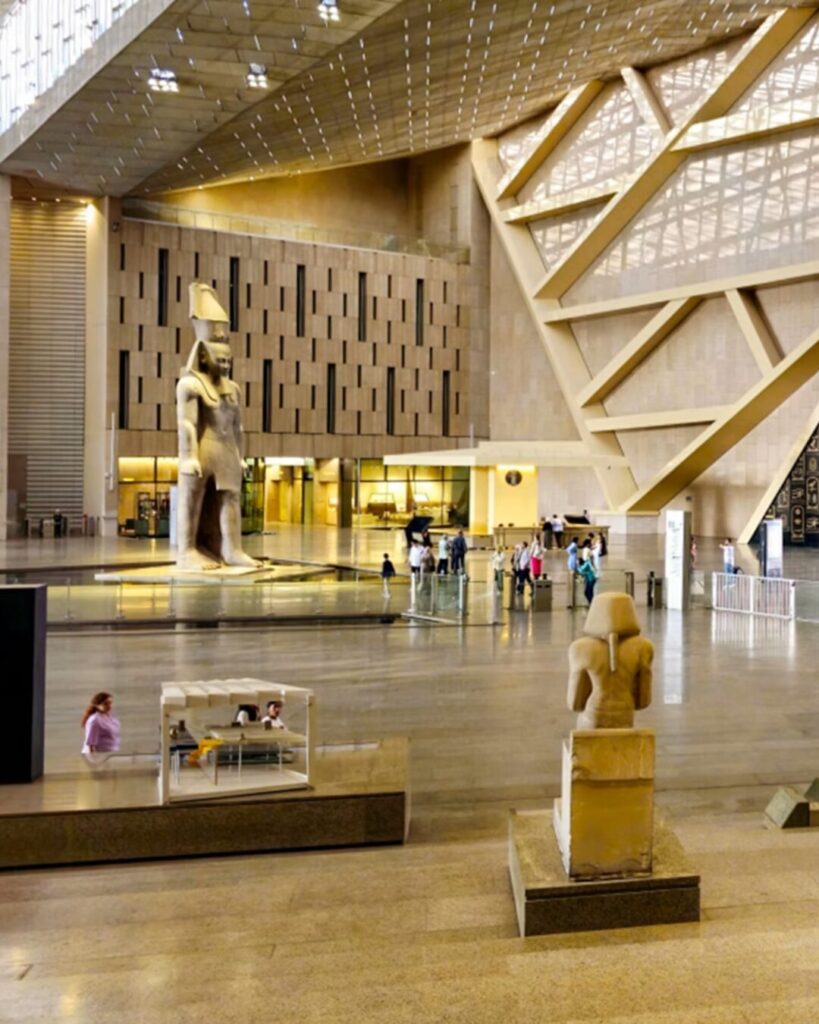
- The Egyptian Museum in Cairo: the Tutankhamun collection, first floor, east wing, justifies the visit on its own. The 130 recovered items include the solid gold death mask, the throne, and the canopic shrine, best seen with a private guide rather than the general audio tour.
- Karnak Temple Complex at Luxor: the Hypostyle Hall alone, 134 columns up to 70 feet tall, carved with the campaigns of Ramesses II, resets your sense of what human ambition looked like 3,200 years ago. A private after-hours opening, where available, empties the site out almost entirely.
- Valley of the Kings: book the combined ticket (three standard tombs included) and add the Tomb of Ramesses VI for its astronomical ceiling, one of the finest in the valley.
- Abu Simbel: a 45-minute flight from Aswan, or a 3-hour early morning drive. The two temples, carved into a cliff face by Ramesses II in 1265 BC, were moved in their entirety in 1968 to save them from the rising waters of Lake Nasser, a relocation project as impressive as the temples themselves.
- Same-sex relationships aren't criminalized under Egyptian law, but public morality laws are applied selectively, and the environment isn't safe for LGBTQ+ travelers who are openly visible.
- Public displays of affection are culturally restricted for any couple; same-sex couples should exercise extreme discretion.
- Egypt isn't a destination to recommend for LGBTQ+ travelers seeking visible community or social freedom.
- The travel itself, the monuments, the Nile, the history, is extraordinary and fully accessible. Social visibility is a separate matter entirely.
- October through April is the definitive window.
- Winter temperatures in Upper Egypt (Luxor, Aswan) run 65 to 85°F, comfortable for walking archaeological sites, though this is also when they're busiest.
- May through September: Luxor regularly exceeds 110°F, and Cairo, while slightly more temperate, still runs hot in summer. The trade-off is far thinner crowds, worth weighing for travelers willing to shift sightseeing to the cooler morning hours.
- The Sinai Peninsula and Red Sea coast sit in a different microclimate and stay visitable year-round for diving and beach travel.
- Ramadan, dates shift annually with the lunar calendar, changes the rhythm of travel noticeably: restaurants close during daylight hours, and some sites reduce hours. It's a genuine cultural experience, but it requires planning around.
7-Day Itinerary
Cairo, Nile Cruise & Luxor
Day 1 — Arrive Cairo
Overnight flight from the U.S. Land morning or afternoon. The Egyptian Museum in the afternoon — allow 2 hours for the Tutankhamun collection specifically. Khan el-Khalili bazaar in the early evening for context on the city's scale and pace.
Day 2 — Giza & Saqqara
Giza Pyramids at 6 a.m. (ticket office opens at 8 a.m. in high season; arrive early for the angle before the crowds). The Great Pyramid interior. The Sphinx. Drive to Saqqara (30 minutes south) — the Step Pyramid of Djoser is the world's oldest dressed stone structure (2650 BC), predating the Giza pyramids, and is consistently overlooked by itineraries that rush past it.
Day 3 — Fly to Luxor / Karnak
Morning flight Cairo to Luxor (1 hour). Arrive and go directly to Karnak — the afternoon light inside the Hypostyle Hall is dramatic. The Sacred Lake at the eastern end of the complex. Luxor Temple at night (it remains open until 9 p.m. and is beautifully lit — the night visit is underused and highly recommended).
Day 4 — Valley of the Kings / Board Nile Cruise
Valley of the Kings in the morning — 3 tombs on the standard ticket. Add the Tomb of Ramesses VI if available. Colossi of Memnon (15 minutes — two 62-foot seated pharaoh statues in an open field, often skipped, worth a brief stop). Board the Nile cruise vessel by late afternoon at Luxor.
Day 5 — Edfu & Kom Ombo
The cruise sails south (upstream). Morning: Temple of Horus at Edfu — the best-preserved ancient Egyptian temple, in near-complete condition. Afternoon: Kom Ombo Temple, built for two gods simultaneously (the falcon-headed Horus the Elder and the crocodile god Sobek), visible from the boat deck before docking.
Day 6 — Aswan / Abu Simbel
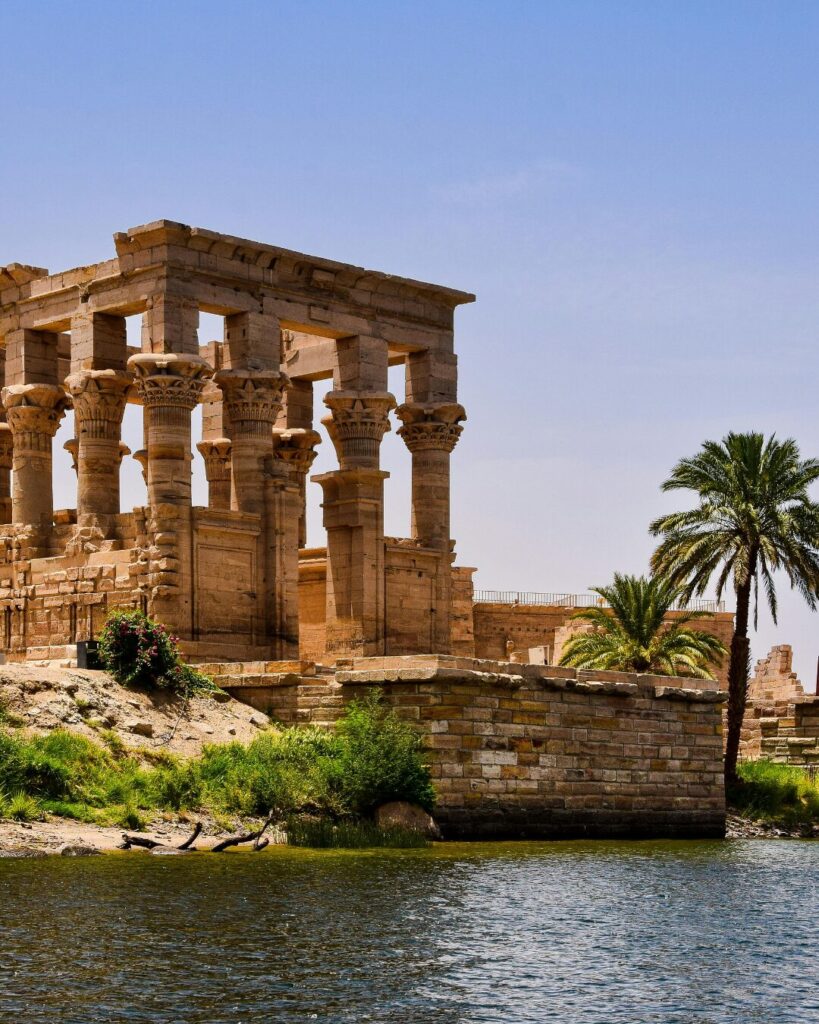
Morning: Aswan — the Philae Temple complex (relocated to Agilkia Island in the 1970s to save it from Lake Nasser; accessible by boat). The Aswan High Dam lookout. Afternoon or next morning: fly or drive to Abu Simbel — the twin temples of Ramesses II cut into a cliff in 1265 BC. Arrive by 7 a.m. to see the interior before tour groups arrive.
Day 7 — Return Cairo / Depart
Flight Aswan or Luxor to Cairo. Connect home.
Travel Insights
Sorry, we couldn't find any posts. Please try a different search.