
Antarctica expedition cruise travel begins with the seventh continent, the last one most travelers will ever set foot on. It holds 70 percent of the world's fresh water, locked into an ice sheet averaging 1.2 miles thick, and it stands as the driest, coldest, and windiest continent on earth. No native population, no trees, no permanent settlements outside the research stations that 30 nations maintain under the Antarctic Treaty.
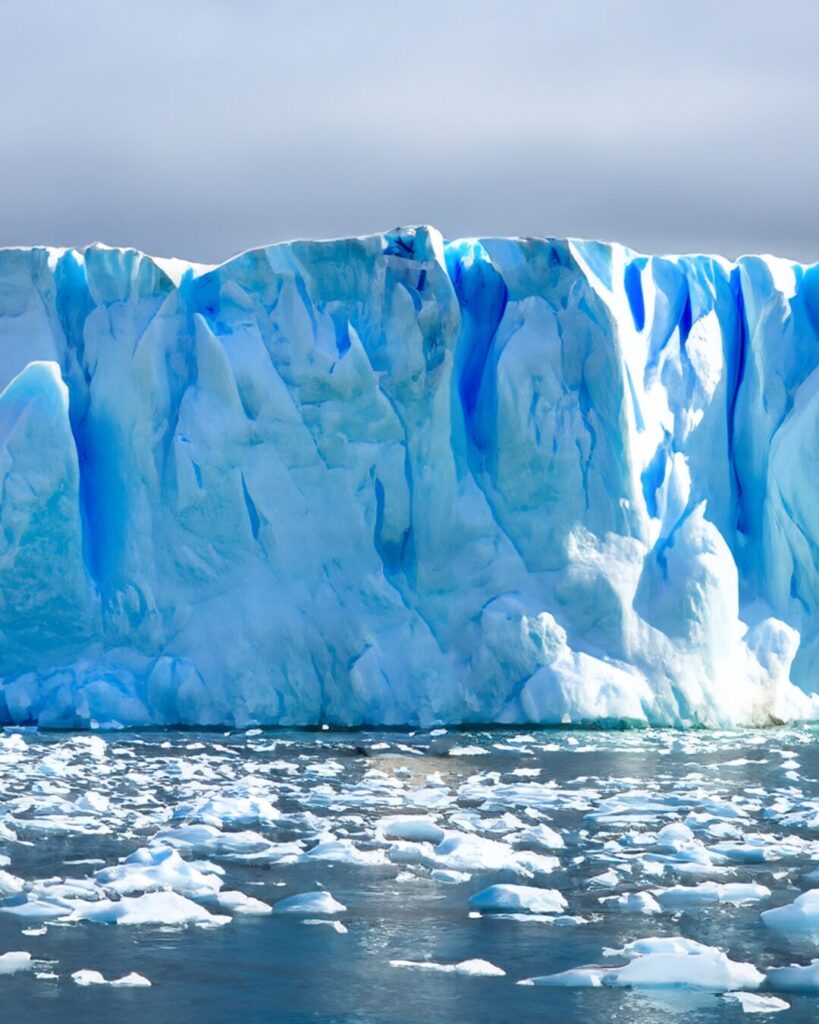
What no photograph prepares you for is the stillness. When the Zodiac engine cuts and you're drifting beside a tabular iceberg the size of a city block, listening to the water move, calling it life-changing isn't an exaggeration. It's just an accurate description of what happens.
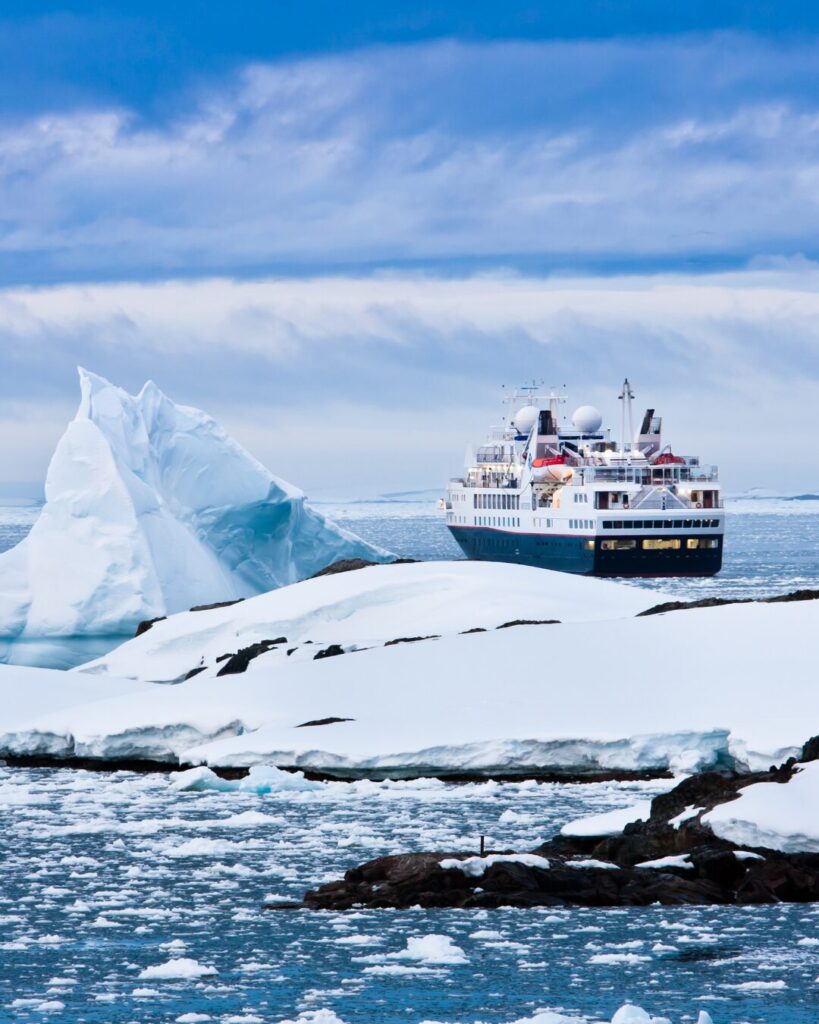
Silversea's expedition vessels, the World Explorer and World Nova, were purpose-built for exactly this: ice-strengthened hulls for the Drake Passage and the Antarctic Peninsula, Zodiacs for landing operations, and onboard scientists from research institutions who narrate what you're seeing as it happens, rather than a recorded commentary played on a loop.
At a Glance
The most accessible route into Antarctica departs from Ushuaia, Argentina, the southernmost city in the world, for a Drake Passage crossing that takes two to three days each way across some of the roughest water on earth, followed by four to seven days along the Antarctic Peninsula. The Peninsula is the warmer, more biologically active stretch of the continent, and the natural starting point for most first-time travelers here.
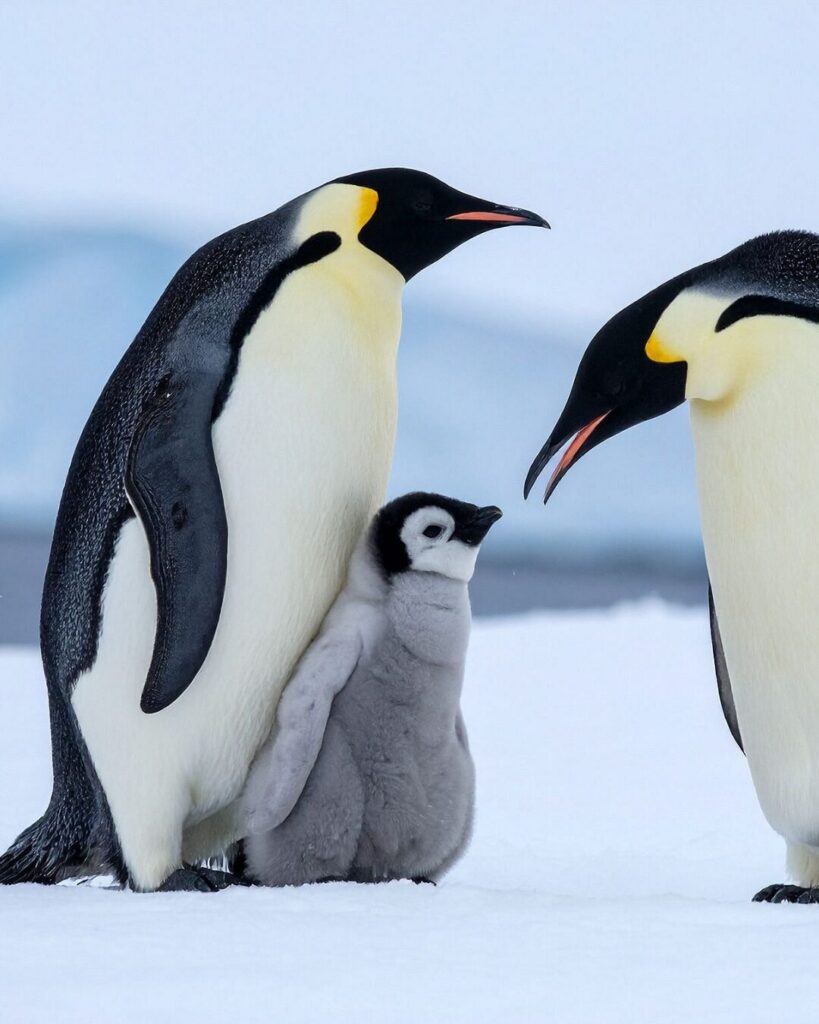
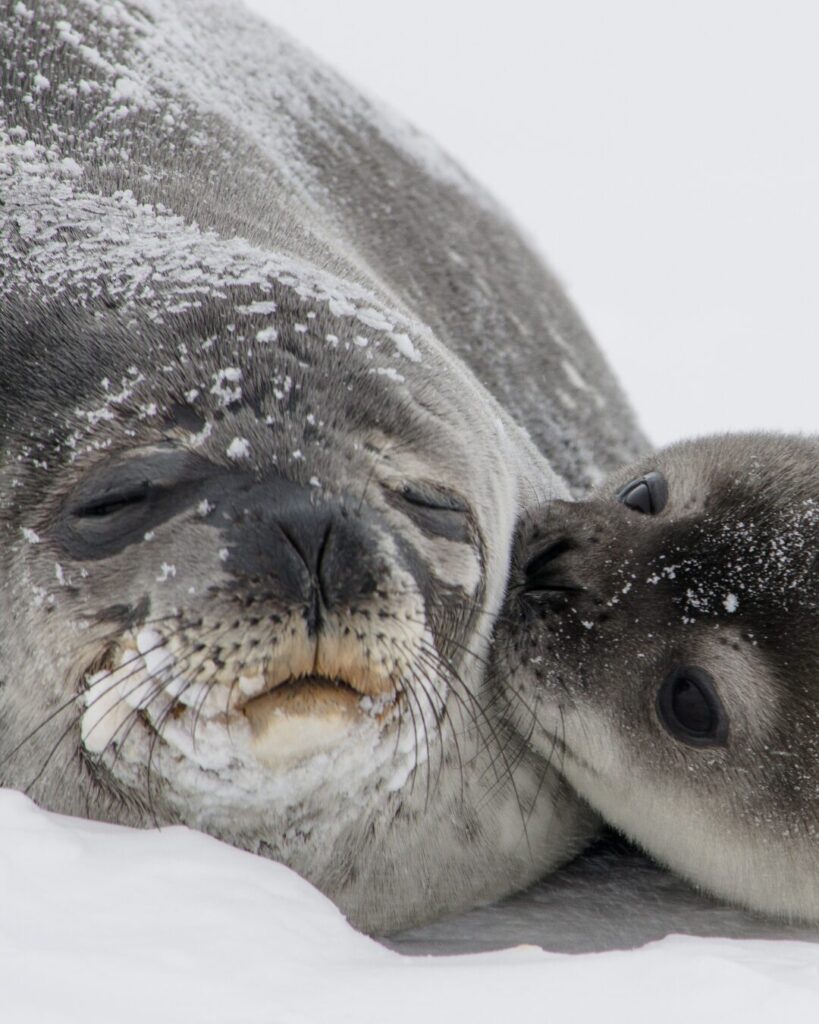
Wildlife carries the trip: chinstrap, Adélie, and gentoo penguins in colonies tens of thousands strong, leopard seals stretched across ice floes, orca pods hunting cooperatively in the bays, humpback whales surfacing beside the Zodiacs, and the wandering albatross overhead, its 11-foot wingspan the largest of any bird alive. Extended itineraries reach South Georgia Island, home to king penguin colonies of roughly 300,000 birds and the grave of Ernest Shackleton, a stop worth building extra days around rather than rushing.
Travel Offerings
- Silversea Expedition Cruising
- Custom Private Travel
- Polar Photography Expeditions
- Scientific & Naturalist Expeditions
Travel Guide
- No visa required for U.S. citizens; Antarctica isn't a sovereign nation.
- All visits fall under the Antarctic Treaty System, which limits tourism to designated landing sites and requires travel with an IAATO-member operator. Silversea holds that membership.
- Currency is the Argentine peso (ARS) in Ushuaia; USD covers shipboard expenses.
- Buenos Aires (EZE) to Ushuaia (USH) is a 3-hour domestic flight.
- Pack for real cold: Antarctic summer temperatures on the Peninsula average 23 to 32°F, and conditions shift quickly.
- The Drake Passage is genuinely rough water; worth discussing motion sickness management with a physician before departure.
- Zodiac landings at gentoo and chinstrap penguin colonies on the Antarctic Peninsula, approached at close range. IAATO guidelines set a 5-meter minimum distance, though the penguins themselves routinely close that gap from their side, not yours.
- Paradise Harbour: a protected fjord ringed by glaciers, the water still enough to mirror the ice perfectly. The kayaking option here is arguably the single best hour of any Antarctic itinerary.
- Neko Harbour: a gentoo colony on the continental mainland itself, one of the rare places where you're actually standing on Antarctica rather than a nearby island.
- Orca watching in the Gerlache Strait, where pods hunt cooperatively around the ice floes.
- Cross-country skiing and snowshoeing across ice fields at altitude, offered on select Silversea itineraries.
- South Georgia Island (extended itineraries only): king penguin colonies at St. Andrews Bay numbering roughly 300,000 birds, Ernest Shackleton's grave at Grytviken, and fur seal beaches that rank among the loudest places in the natural world.
- The expedition environment is internationally staffed and runs under a shared, professionally managed code of conduct.
- Silversea embraces diversity and is LGBTQ+ friendly.
- The Antarctic Treaty governs behavior on the continent itself, and with no local population or social context, the LGBTQ+ considerations relevant to national destinations simply don't apply here.
- Onboard, the shipboard environment follows Silversea's inclusive guest policies.
- Antarctic cruises run November through March, the Southern Hemisphere summer, when sea ice retreats enough to make the Peninsula accessible.
- November and December (early season): the most dramatic ice formations, along with penguin courtship and nesting.
- January and February (peak season): penguin chicks, the longest days, the most active wildlife, and the warmest temperatures.
- February and March (late season): chicks fledging, whale activity picking up as krill density peaks, and the first hints of autumn light.
- Every window has a real case for it. Peak-season cabins on Silversea's polar vessels need booking 12 to 18 months out.
12-Day Itinerary
Antarctic Peninsula
Day 1–2 — Buenos Aires
Fly into EZE. Two days in Buenos Aires before the Ushuaia flight — La Boca, San Telmo, the Recoleta Cemetery, a proper steak dinner. This layover is functional and the city earns the two days.
Day 3 — Fly to Ushuaia / Board
Domestic flight to Ushuaia (3 hours). Board the World Nova in the afternoon. Safety briefing and Zodiac orientation. Depart Beagle Channel by evening.
Day 4–5 — Drake Passage Crossing
Two days crossing the Drake Passage. Albatross and petrel watching from the decks — the bird life in the Drake is extraordinary and begins immediately south of Cape Horn. Briefings from the science staff on Antarctic geology, ecology, and weather systems.
Day 6–9 — Antarctic Peninsula Operations
Four days of Zodiac landings, subject to weather and ice conditions. Typical landing roster: Neko Harbour (mainland landing), Paradise Harbour (glacier face, kayaking optional), Cuverville Island (gentoo colony), Deception Island (a flooded volcanic caldera — the ship sails through Neptune's Bellows into the caldera), Half Moon Island (chinstrap penguins), and open-water orca and humpback whale watching.
Day 10–11 — Drake Return
Two days returning north. Debrief sessions with science staff. Photography editing workshops.
Day 12 — Disembark Ushuaia / Return Buenos Aires
Morning disembark. Flight to Buenos Aires, connect home.
Travel Insights
Sorry, we couldn't find any posts. Please try a different search.