Peru luxury travel rewards travelers who arrive with genuine curiosity — and the destination repays preparation in proportion to what you bring to it. Everyone wants to see Machu Picchu, and they should — the 15th-century Inca citadel set against cloud-forested peaks at 7,972 feet is genuinely as significant as its reputation. What many travelers don't know is that the Sacred Valley leading to it — Pisac, Ollantaytambo, Moray — is equally compelling. Or that Lima has quietly become one of the great food cities in the world, with three restaurants in the current World's 50 Best and a culinary culture rooted in the intersection of indigenous Andean, Japanese, Chinese, and Spanish traditions. Or that Lake Titicaca at 12,507 feet above sea level — the highest navigable lake in the world — contains floating reed islands inhabited for centuries.
Peru is a destination for travelers with genuine curiosity. It rewards preparation and attention in proportion to what you bring to it.
At a Glance
Peru is the third-largest country in South America. Three distinct geographic zones define it: the Pacific coast (Lima, Paracas, Nazca), the Andes highlands (Cusco, Sacred Valley, Lake Titicaca, Colca Canyon), and the Amazon basin (Iquitos, Manu National Park). Altitude is the central planning consideration — Cusco sits at 11,152 feet and many trekking routes exceed 14,000 feet. Acclimatization requires 48–72 hours in Cusco before any serious exertion.
Travel Offerings
- Custom Private Travel
- Cultural & Archaeological Travel
- Trekking & Adventure Expeditions
- Culinary Experiences
- Amazon & Wildlife Expeditions
- Small Group Travel
- LGBTQ+ Travel
Travel Guide
- U.S. citizens need a valid passport; no visa required for stays up to 183 days.
- Currency is PEN (Peruvian Sol).
- Lima's Jorge Chávez International Airport (LIM) is the primary gateway.
- Altitude sickness (soroche) is common in Cusco — allow 48 hours minimum before trekking.
- Coca leaf tea is widely available and helps.
- The Inca Trail requires permits booked months in advance; daily entry to Machu Picchu is capped and timed — book through the Peruvian government portal well in advance.
- Machu Picchu: arrive by the first bus from Aguas Calientes (5:30 a.m.) for the sunrise experience before tour groups arrive from the 10:30 a.m. trains.
- Huayna Picchu (the steep peak above the citadel) requires a separate permit, limited to 400 people per day.
- Pisac market in the Sacred Valley (Tuesday, Thursday, Saturday) — the largest traditional market in the Andes.
- Ollantaytambo: an Inca fortress-temple built before Machu Picchu that was never conquered by the Spanish.
- The Colca Canyon (outside Arequipa) — twice as deep as the Grand Canyon; condors rise on thermal currents at 8–10 a.m. most mornings.
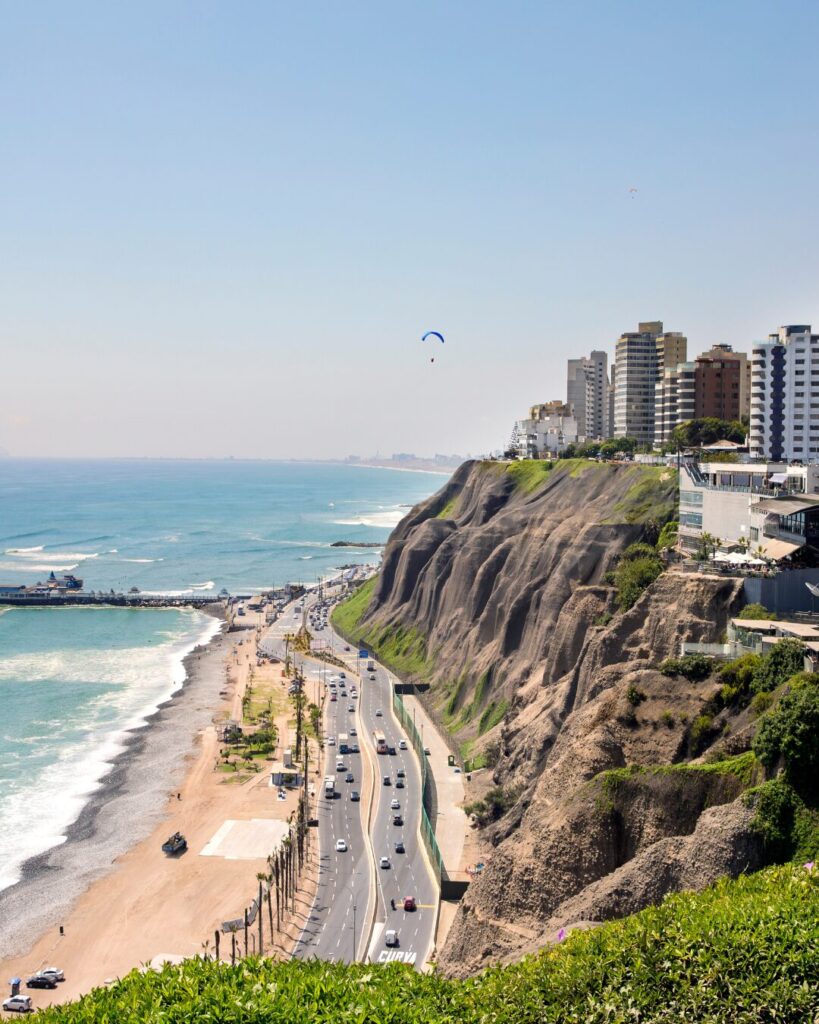
- Lima's Miraflores and Barranco neighborhoods for the food and art scene.
Peru decriminalized same-sex relationships in 1980. Same-sex unions are not recognized and the political environment remains socially conservative. Lima has a visible LGBTQ+ community in Miraflores and Barranco, and Lima Pride (July) draws significant attendance. Cusco has a more limited but functional LGBTQ+-friendly tourist infrastructure. Rural Andean communities reflect more traditional social values.
- Dry season (May–October) is the optimal window for the Sacred Valley, Machu Picchu, and trekking.
- June–August is peak season; May and September–October offer the best balance of dry weather and manageable crowds.
- The Inca Trail must be booked 6+ months in advance for peak season.
- Lima's coastal climate is mild year-round.
7-Day Itinerary
Lima, Cusco & Sacred Valley
Day 1 — Arrive Lima
Fly into LIM. Miraflores neighborhood. The clifftop walk above the Pacific. Dinner in Barranco.
Day 2 — Lima Cultural Day
Huaca Pucllana: an adobe pyramid built by the Lima culture (400–700 AD) in the middle of the modern Miraflores neighborhood. Larco Museum — one of the finest pre-Columbian art collections in South America. Central Market for ceviche at lunch.
Day 3 — Fly to Cusco / Acclimatize
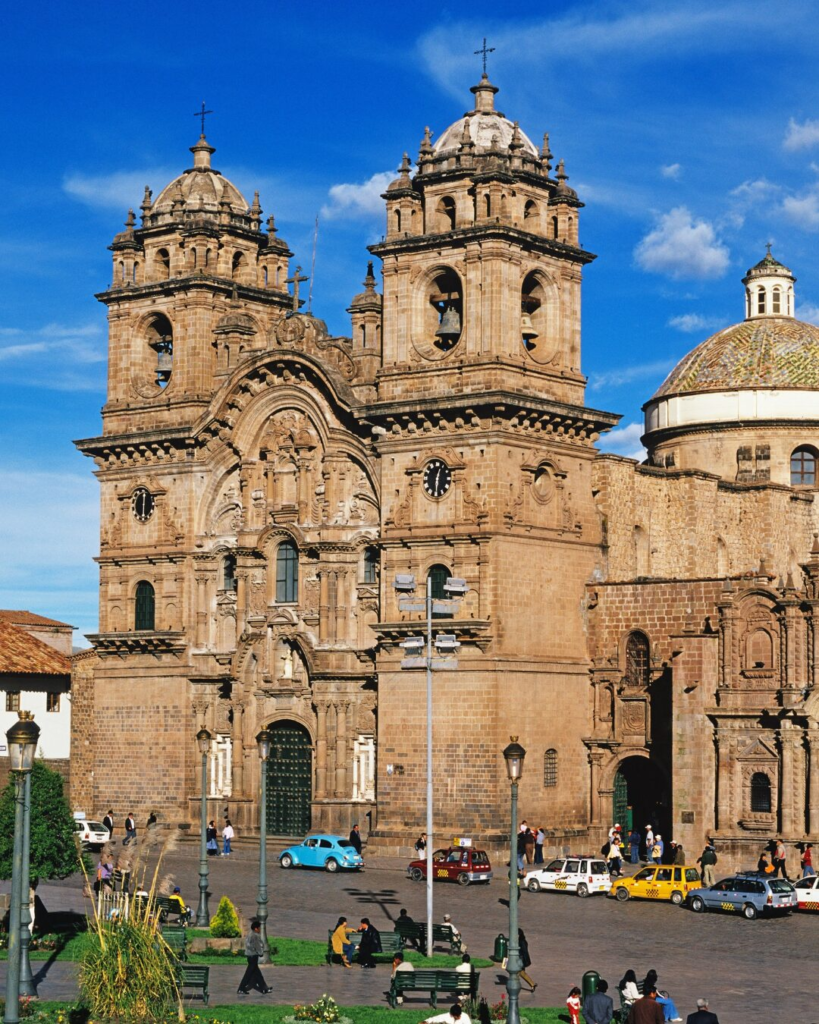
Morning flight to Cusco (1 hour 20 minutes). Do not do anything demanding today. Walk slowly through the Plaza de Armas. Qoricancha (the Temple of the Sun) — the Spanish built the Church of Santo Domingo directly on top of it; both are visible in the same visit.
Day 4 — Sacred Valley
Full day in the Sacred Valley. Pisac ruins above the market — the agricultural terracing is as impressive as any in Peru, and the site is less crowded than Machu Picchu. Drive to Ollantaytambo: the fortress-temple built into the mountainside, still partially intact. Overnight in Aguas Calientes.
Day 5 — Machu Picchu
First bus from Aguas Calientes at 5:30 a.m. The cloud below the citadel burns off by 7–8 a.m. on clear days. Walk the classic circuit with a guide for the first two hours, then explore independently. Return to Cusco by train via the Vistadome observation car.
Day 6 — Cusco & Sacsayhuamán
Sacsayhuamán: the Inca fortress above Cusco constructed of 200-ton limestone blocks fitted without mortar. San Blas neighborhood for artisan workshops. The San Pedro Market for a local lunch.
Day 7 — Return Lima / Depart
Morning flight to Lima. Connect home from LIM.